Roman Catholic Book of Blessings PDF: A Comprehensive Guide
This guide explores the 1989 Book of Blessings, a 604-page resource approved for use in US dioceses, offering a detailed look at liturgical blessings and their practical application.
The Book of Blessings, formally titled “Book of blessings : approved for use in the dioceses of the United States of America,” represents a significant compilation of liturgical rites. Published in 1989, it was prepared by the International Commission on English in the Liturgy (ICEL), a joint commission of Catholic Bishops Conferences, and confirmed by the Apostolic See.
This volume serves as a comprehensive resource for blessings utilized within the Roman Catholic Church, moving beyond traditional prayers to offer a structured and accessible guide for pastoral ministers and the faithful. It aims to provide appropriate blessings for a wide array of circumstances, people, objects, and times, reflecting the Church’s desire to sanctify everyday life. The book’s publication date is October 19, 2021, on the Internet Archive.
Historical Context of Liturgical Blessings
Historically, blessings within the Catholic Church have roots stretching back to ancient Jewish traditions and early Christian practices. These rites initially were more spontaneous and adapted to local customs. Over centuries, they became increasingly formalized, appearing in various liturgical books like the Roman Rituale.
Prior to the 20th century, blessings were often dispersed throughout different liturgical volumes, lacking a single, unified resource. The need for a consolidated and updated collection became apparent, particularly in light of evolving liturgical sensibilities. The Book of Blessings addresses this historical gap, drawing upon the revised Roman Ritual decreed by the Second Vatican Council and published by Pope John Paul II, offering a standardized approach.
The Second Vatican Council and Liturgical Reform
The Second Vatican Council (1962-1965) profoundly impacted Catholic liturgical practices, advocating for greater participation by the laity and a renewed emphasis on the meaning of the sacraments. This led to a comprehensive revision of liturgical books, including those pertaining to blessings.
The Council’s decree, Sacrosanctum Concilium, called for updating liturgical texts and rites to better reflect contemporary understanding and foster active engagement. The Book of Blessings is a direct outcome of this reform, representing a deliberate effort to modernize and systematize the practice of blessings within the Church, aligning with the Council’s vision of a revitalized liturgy.
ICEL and the English Translation
The International Commission on English in the Liturgy (ICEL) played a pivotal role in translating the revised liturgical texts following the Second Vatican Council. Specifically, ICEL was responsible for preparing the English translation of the Book of Blessings, ensuring accuracy and suitability for use in English-speaking dioceses.
This translation process was complex, aiming to balance fidelity to the original Latin text with clarity and accessibility for contemporary English speakers. The Book of Blessings explicitly acknowledges ICEL’s contribution, stating it was “Prepared by International Commission on English in the Liturgy, a Joint Commission of Catholic Bishops Conferences.”
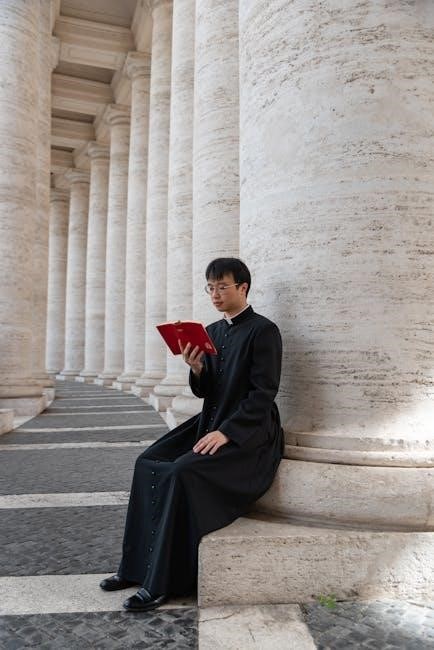
Understanding the Content
The Book of Blessings organizes blessings into categories – for people, objects, and times/seasons – providing a comprehensive resource for liturgical practice and pastoral care.
Overview of Blessing Categories
The Book of Blessings meticulously categorizes blessings to facilitate easy access and appropriate use within the Church. These blessings are thoughtfully arranged into three primary sections, reflecting the diverse needs of the faithful and the liturgical year.
Firstly, blessings for people address significant life events and offer spiritual comfort, encompassing rites for infants, children, the sick, and those preparing for or concluding meals. Secondly, blessings for objects sanctify items used in religious practice or daily life, such as religious articles, new homes, and vehicles, dedicating them to God’s service.
Finally, blessings related to times and seasons acknowledge and celebrate the liturgical calendar, providing appropriate prayers for Advent, Christmas, Lent, Easter, and Marian feasts, enriching the spiritual life of the community.
Blessings for People
The Book of Blessings provides a wealth of prayers specifically designed to bestow God’s grace upon individuals throughout their lives. These blessings acknowledge God’s presence in personal journeys and offer spiritual support during key moments.
Rites are included for the blessing of infants and children, invoking divine protection and guidance as they begin their faith journey. Comfort and healing are offered through the blessing of the sick, providing solace and strength in times of illness.
Furthermore, the book offers simple yet profound blessings before and after meals, expressing gratitude for God’s provision and fostering a spirit of mindful nourishment. These blessings demonstrate the Church’s care for the holistic well-being of its members;
Blessing of Infants and Children
The Book of Blessings details several rites for the blessing of infants and children, recognizing their special vulnerability and innocence. These blessings aren’t sacraments, but rather invocations of God’s protection and guidance as they embark on life’s journey.
The prayers ask for God’s loving care, shielding them from harm and nurturing their spiritual growth. Parents, godparents, and the community participate, expressing their commitment to raising the child in the Catholic faith.
Blessings acknowledge the child as a gift from God, and implore divine assistance in fostering their development—physically, emotionally, and spiritually. These rites offer a beautiful way to welcome new life and dedicate children to God’s loving embrace.
Blessing of the Sick
The Book of Blessings provides extensive prayers and rituals for those experiencing illness, offering comfort and spiritual strength during times of suffering. These blessings are distinct from the Anointing of the Sick, a sacrament administered by a priest, but complement it beautifully.
The blessings invoke God’s healing power, asking for relief from pain and restoration of health, while also offering grace to bear illness with courage and faith. They emphasize God’s presence and compassion, even in moments of vulnerability.
Prayers are directed towards both physical and spiritual healing, recognizing the interconnectedness of body and soul. Family and friends can participate, offering support and sharing in the hope of God’s mercy.
Blessing Before and After Meals
The Book of Blessings offers a variety of prayers for both before and after meals, acknowledging God as the source of all nourishment. These blessings extend beyond a simple expression of gratitude, encompassing a recognition of God’s providence and a petition for blessings upon those who have labored to provide the food.
Prayers before meals ask for God’s blessing on the food, that it may nourish our bodies and strengthen us spiritually. After-meal blessings express thanks for the gifts received and ask for continued blessings.
The book provides options for different occasions and levels of formality, allowing for adaptation to family traditions and personal preferences, fostering a deeper sense of gratitude and mindful consumption.
Blessings for Objects
The Book of Blessings dedicates a significant section to the blessing of objects, recognizing their potential to draw us closer to the sacred. These blessings aren’t about imbuing the objects themselves with power, but rather consecrating them for use in worship or as reminders of faith.
Included are rituals for blessing religious articles – such as rosaries, medals, and statues – as well as practical items like a new home or a vehicle. The blessings invoke God’s protection and guidance, transforming everyday objects into symbols of faith.
These rites emphasize the importance of using created things for God’s glory, fostering a sense of reverence and mindful stewardship.
Blessing of Religious Articles
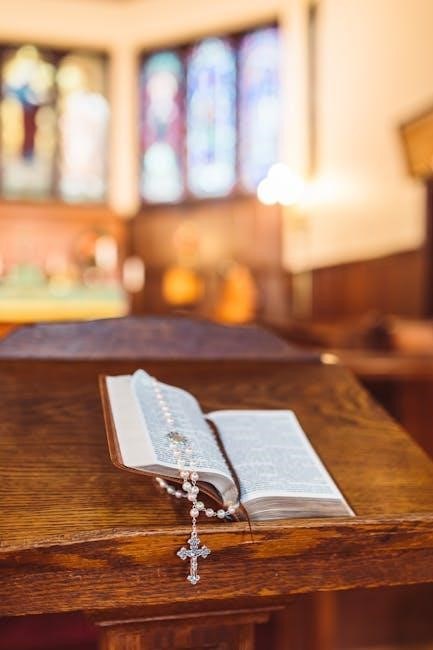
The Book of Blessings provides specific prayers for consecrating religious articles, such as rosaries, medals, crucifixes, and statues. These blessings acknowledge these items as aids to prayer and devotion, sanctifying them for sacred use.
The rites typically involve sprinkling with blessed water and the invocation of the Holy Spirit, asking for God’s grace to be present through these tangible symbols of faith. The blessing isn’t about the object itself, but about deepening the believer’s connection with the divine.
These blessings are intended to remind individuals of God’s presence and to inspire them in their spiritual journey, fostering a more profound prayer life.
Blessing of a New Home
The Book of Blessings offers a beautiful rite for dedicating a new home, transforming it into a haven of faith and a sanctuary for the family. This blessing asks God to fill the dwelling with peace, love, and His presence.
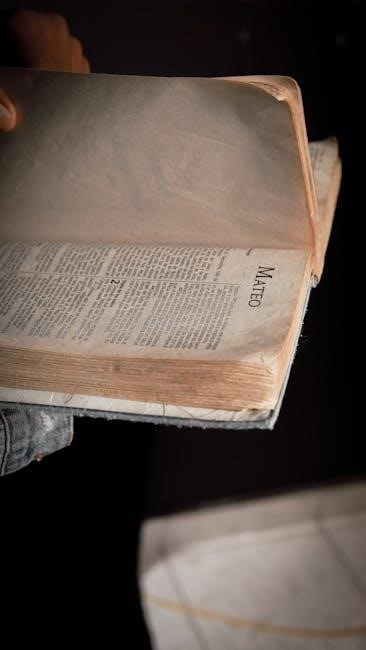
The ceremony often includes scripture readings, prayers of thanksgiving, and the sprinkling of holy water throughout the house, symbolizing purification and God’s protective grace. It’s a moment to dedicate the space to God’s service and to seek His blessing upon those who reside within.
This blessing isn’t merely a formality; it’s a spiritual act that invites God to be at the heart of the home, fostering a domestic church where faith is lived and nurtured.
Blessing of Vehicles
The Book of Blessings provides a specific rite for the blessing of vehicles, recognizing their importance in modern life and seeking God’s protection for drivers and passengers. This blessing acknowledges vehicles as tools that enable us to serve others and journey through life.
The ceremony typically involves prayers for safety, asking God to safeguard those traveling and to prevent accidents. It’s a request for divine assistance in navigating roads and reaching destinations safely. Often, a priest or deacon will sprinkle the vehicle with holy water.
This blessing isn’t about speed or convenience, but about acknowledging God’s presence and seeking His guidance on every journey.
Blessings Related to Times and Seasons
The Book of Blessings offers a rich collection of prayers specifically tailored to the liturgical year, acknowledging the unique spiritual significance of different times and seasons. These blessings enhance our awareness of God’s presence throughout the year.
Blessings for Advent and Christmas prepare hearts for the coming of Christ and celebrate His birth, while those for Lent and Easter focus on repentance, renewal, and the joy of resurrection.
Furthermore, the book includes blessings for Marian feasts, honoring the Blessed Virgin Mary and her role in salvation history. These seasonal blessings deepen our faith and connection to the Church’s liturgical calendar.
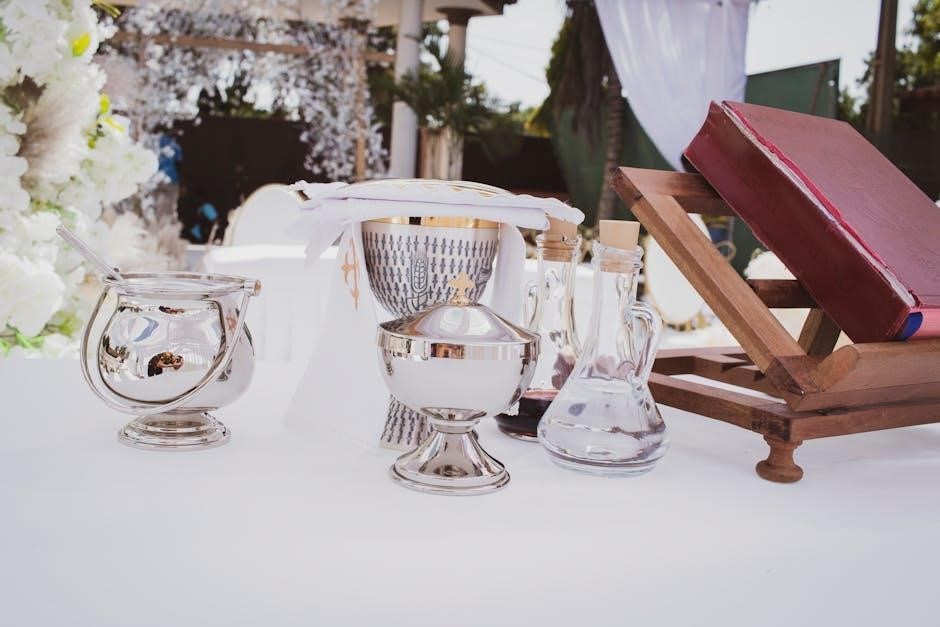
Blessings for Advent and Christmas
The Book of Blessings provides specific prayers designed to sanctify the Advent and Christmas seasons, fostering anticipation and joyful celebration. These blessings acknowledge the profound mystery of God becoming incarnate.
Blessings for Advent focus on themes of hope, preparation, and longing for the Messiah’s arrival, encouraging spiritual reflection. Christmas blessings celebrate the birth of Jesus, expressing gratitude for the gift of salvation and the renewal of God’s covenant with humanity.
These liturgical aids enrich family traditions and parish celebrations, deepening the faithful’s experience of these holy days and fostering a spirit of reverence and joy.
Blessings for Lent and Easter
The Book of Blessings offers a range of prayers specifically tailored for the Lenten and Easter seasons, guiding the faithful through periods of penance, repentance, and ultimately, joyous resurrection celebration.
Lenten blessings emphasize themes of self-denial, spiritual renewal, and preparation for Christ’s Passion, encouraging introspection and conversion. Easter blessings proclaim the triumph of life over death, celebrating the glorious resurrection of Jesus Christ and the promise of eternal life.
These liturgical resources enhance personal devotion and communal worship, deepening the understanding and experience of these central tenets of the Christian faith.
Blessings for Marian Feasts
The Book of Blessings provides specific liturgical blessings dedicated to honoring the Blessed Virgin Mary throughout the year, recognizing her unique role in salvation history and her intercession for the faithful.
Blessings are included for major Marian feasts such as the Immaculate Conception, the Assumption, and the Nativity of Mary, enriching these celebrations with appropriate prayers and invocations. These blessings often highlight Mary’s virtues, her maternal love, and her powerful advocacy.
These resources allow for a deeper connection with Mary, fostering devotion and seeking her guidance and protection, strengthening the spiritual lives of individuals and communities.
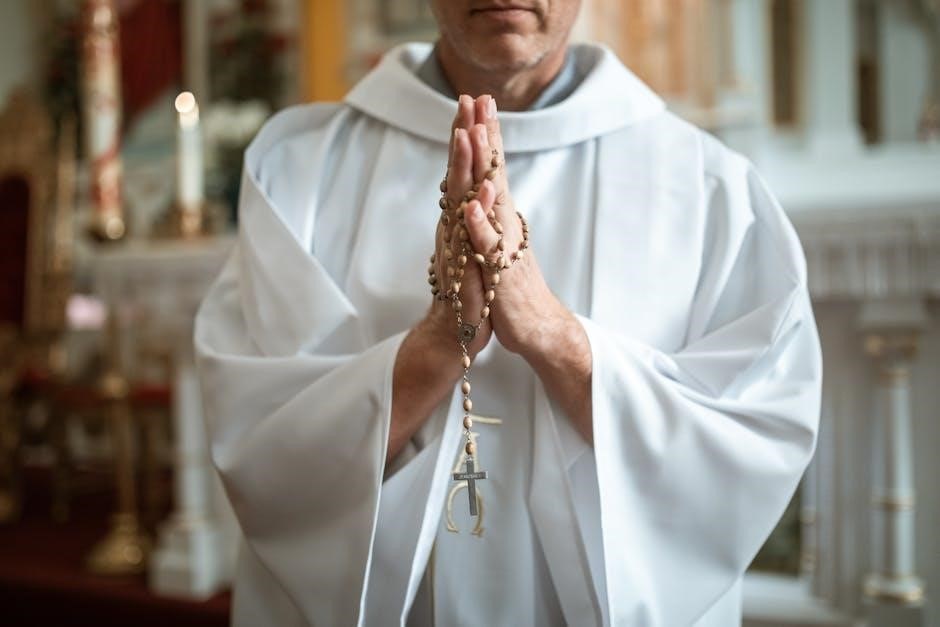
Accessing the PDF Version
The Book of Blessings is readily available as a downloadable PDF on the Internet Archive, offering convenient access to this liturgical resource for study and use.
Availability on the Internet Archive
The Book of Blessings, a valuable resource for liturgical practice, is freely accessible through the Internet Archive. This digital availability ensures wider dissemination and preservation of this important text. As of October 23, 2021, the archive hosts a scanned version, allowing users to download, borrow, and stream the complete 604-page volume.
The item size is substantial at 889.4M, reflecting the comprehensive nature of the book. This digital copy facilitates research, personal devotion, and liturgical preparation. The Internet Archive’s commitment to providing access to knowledge makes this resource readily available to a global audience, supporting the study and practice of Catholic liturgical traditions. It’s a fantastic resource to restore access to valuable books!
Legality and Copyright Considerations
Accessing the Book of Blessings PDF on the Internet Archive raises important copyright considerations. While the Internet Archive provides access, users should be mindful of the original publication’s copyright status. The book was published in 1989 and approved by the National Conference of Catholic Bishops and the Apostolic See.
The availability on the Internet Archive is intended for research and educational purposes. Downloading or distributing the PDF beyond fair use guidelines may infringe upon copyright. Users are encouraged to respect intellectual property rights and adhere to the terms of service outlined by the Internet Archive. Understanding these legal aspects ensures responsible and ethical access to this liturgical resource.
Navigating the PDF Document
The Book of Blessings PDF, weighing 889.4MB, is a substantial document requiring a capable PDF reader. Utilizing the search function is crucial for locating specific blessings within its 604 pages. The PDF’s structure generally follows the organization of the printed book, categorized by the type of blessing.
Bookmarks, if present, will aid in quick navigation. The table of contents provides an overview of the blessing categories. Users can utilize the zoom function for enhanced readability. Familiarizing yourself with the PDF reader’s tools will maximize your efficiency when accessing and utilizing the liturgical content within this comprehensive resource.
Printing and Usage Guidelines
Given the Book of Blessings PDF’s size (889.4MB), selective printing is recommended to conserve resources. Consider printing only the specific blessings needed for immediate use, rather than the entire document. Ensure your printer is configured for optimal quality, especially for liturgical texts.
When using the PDF, respect copyright restrictions and the intended purpose of the blessings – liturgical use within the Catholic Church. Digital copies should not be distributed without permission. Always refer to the official guidelines provided by the National Conference of Catholic Bishops for proper implementation of these blessings.
Practical Applications
The Book of Blessings empowers clergy and laypeople to enrich faith life through adaptable rituals, fostering deeper spiritual connection within the Catholic community.
Who Can Perform These Blessings?
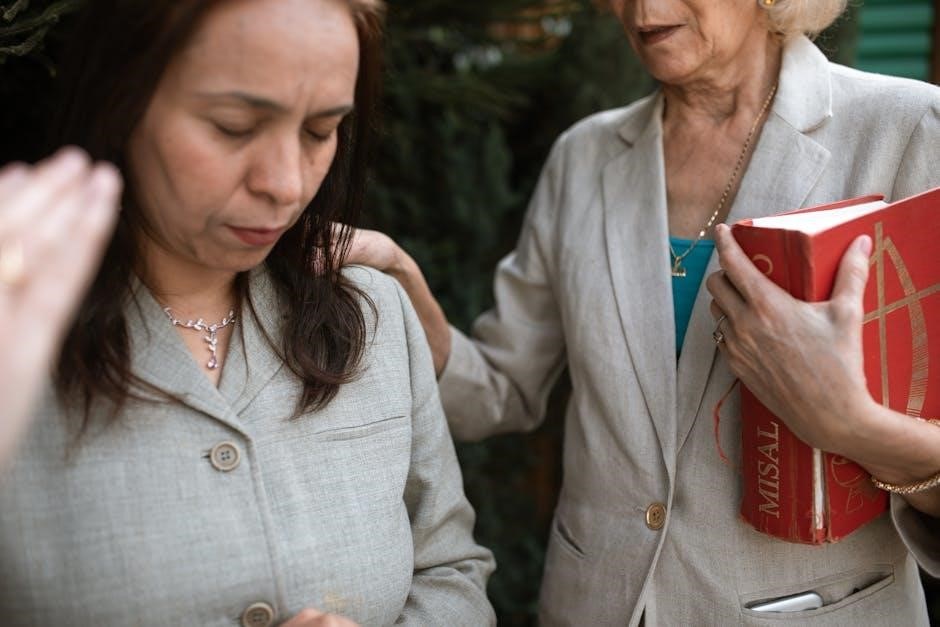
The Book of Blessings outlines varying levels of authority for administering blessings within the Catholic Church. Generally, priests and deacons are explicitly authorized to perform the majority of blessings detailed within its pages. However, the text also recognizes and provides specific blessings that may be led by laypersons.
These lay-led blessings typically involve simpler rites, such as blessings before meals or family prayers, and are designed to extend the sacramental life into everyday experiences. The book carefully delineates which blessings require priestly authority due to their connection to the sacraments or specific liturgical functions.
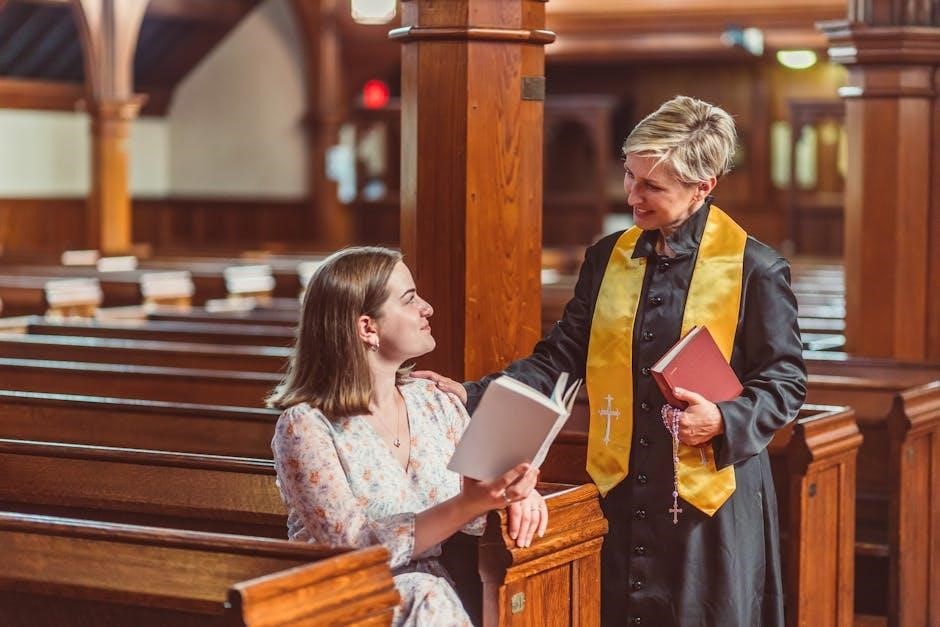
Ultimately, the appropriate minister depends on the nature of the blessing and the specific guidelines provided within the Book of Blessings itself, ensuring reverence and proper liturgical practice.
Adapting Blessings to Specific Needs
The Book of Blessings, while providing established liturgical texts, acknowledges the necessity for adaptation to unique pastoral situations. It encourages ministers to consider the cultural context, the needs of the individuals involved, and the specific circumstances surrounding the blessing.
This adaptation isn’t about altering the core theological meaning, but rather about making the blessing more relatable and meaningful for those receiving it. The book suggests incorporating appropriate music, scripture readings, or personal reflections that resonate with the community.
However, any modifications must remain within the bounds of liturgical law and respect the integrity of the established rites, ensuring the blessing remains authentically Catholic and reverent.
The Role of Music and Ritual
The Book of Blessings emphasizes that blessings aren’t merely verbal pronouncements, but rather integrated liturgical actions. Music and ritual elements significantly enhance the solemnity and spiritual impact of these sacred moments.

Carefully selected hymns, chants, or instrumental pieces can create an atmosphere of reverence and devotion, preparing participants for the blessing. The book doesn’t prescribe specific musical selections, allowing for flexibility based on local traditions and preferences.
Ritual actions, such as the use of blessed objects, gestures, and processions, further enrich the experience, symbolizing God’s grace and presence. These elements should be thoughtfully incorporated to deepen the faith of those participating.
Resources for Further Study
For deeper understanding of liturgical blessings, exploring resources beyond the Book of Blessings is beneficial. The Internet Archive (archive.org) provides access to the PDF version, offering a convenient study tool.
Investigating documents from the Second Vatican Council and the International Commission on English in the Liturgy (ICEL), which prepared the English translation, provides valuable historical context. Scholarly articles on liturgical theology and practice can also illuminate the meaning and significance of blessings.
Consulting with diocesan liturgical commissions and experienced pastoral ministers offers practical insights and guidance. Further research into the Roman Ritual, revised post-Vatican II, will also prove insightful.
Technical Details of the 1989 Edition
Published in 1989 by Liturgical Press, this edition is 604 pages, measuring 28 cm, and totals 889.4MB in digital size.
Publisher and Publication Date
The Book of Blessings was published by the Liturgical Press, located in Collegeville, Minnesota. This publishing house is well-known for its contributions to liturgical resources and theological works within the Roman Catholic tradition. The publication date of this specific edition is 1989, marking a significant moment in the implementation of liturgical reforms following the Second Vatican Council.
The book’s publication was authorized by the National Conference of Catholic Bishops and subsequently confirmed by the Apostolic See, ensuring its alignment with official Church teachings and practices. This careful process of approval underscores the importance of the Book of Blessings as a standardized resource for liturgical celebrations across the United States.
Page Count and Physical Dimensions
The Book of Blessings is a substantial volume, comprising a total of 604 pages. This extensive length reflects the comprehensive nature of the blessings included within, covering a wide range of liturgical needs and occasions. The book’s physical dimensions are 28 centimeters in height, making it a relatively large format publication.
These dimensions contribute to its usability during liturgical celebrations, allowing for clear visibility of the texts and prayers. The size and page count indicate a resource intended for regular use by clergy and liturgical ministers, providing a durable and complete collection of blessings for various pastoral contexts.
Language and Item Size
The Book of Blessings is presented entirely in the English language, specifically translated for use within Catholic dioceses of the United States of America. This translation was meticulously prepared by the International Commission on English in the Liturgy (ICEL), a joint commission of Catholic Bishops Conferences, ensuring accuracy and suitability for English-speaking congregations.
Regarding item size, the digital version of the book, as found on the Internet Archive, has a substantial file size of 889.4MB. This large size is due to the comprehensive content and detailed formatting of the original publication, offering a high-quality digital representation of the printed text.
Associated Names and Contributors
The Book of Blessings carries significant associations with key figures and organizations within the Catholic Church. It was formally approved for use by the National Conference of Catholic Bishops and subsequently confirmed by the Apostolic See, signifying its authoritative status.
Crucially, the text acknowledges the contribution of Pope John Paul II, who authorized its publication following revisions decreed by the Second Vatican Ecumenical Council. The International Commission on English in the Liturgy (ICEL) is prominently credited with preparing the English translation, ensuring liturgical accuracy and cultural relevance. The name “Ca” appears as an associated name in the Internet Archive metadata, though its full significance isn’t immediately clear.