Understanding Australian Men’s Shirt Sizes
Navigating Australian men’s shirt sizing requires understanding local standards, as they differ from US, UK, and European cuts.
A comprehensive size guide is essential for a perfect fit, ensuring comfort and style.
Australian men’s shirt sizing can seem complex, differing from international standards. It’s crucial to understand that Australian sizing generally runs slightly larger than US sizes, and differently from European counterparts. This guide aims to demystify the process, ensuring a comfortable and stylish fit.
Many Australian retailers utilize a combination of neck and chest measurements, alongside sleeve length, to determine the correct size. Brands like Nautica and FREDDY offer specific size charts tailored to their cuts and styles.
Considering these nuances is vital when shopping online or comparing sizes across different brands. Accurate measurements are key, and referencing a detailed size chart will prevent frustrating returns and ensure you find the perfect shirt.
The Importance of a Size Guide
A reliable size guide is paramount when purchasing men’s shirts, especially online, to avoid the hassle of returns and exchanges. Variations exist between brands – FREDDY, Nautica, and classic shirt makers all have unique cuts. Ignoring a size guide can lead to a poorly fitting garment, impacting both comfort and appearance.
Australian sizing isn’t universally standardized; therefore, relying on your usual size isn’t always accurate.
Utilizing a brand’s specific chart, referencing chest, neck, and sleeve measurements, guarantees a better fit. Converting international sizes (US, UK, European) to Australian sizes requires careful attention to detail, as discrepancies are common. Prioritizing a size guide ensures a confident and satisfying shopping experience.
Standard Australian Men’s Shirt Sizes
Accurate measurements of neck, chest, sleeve length, and shoulder width are crucial for determining your standard Australian shirt size, ensuring a comfortable fit.
Neck Size Measurement
Determining your neck size is the foundational step in finding a well-fitting shirt. Use a flexible measuring tape to measure around the base of your neck, ensuring the tape is snug but not constricting.
Keep the tape level and positioned where your collar would naturally sit. Round up to the nearest half-inch if your measurement falls between sizes.
A correctly measured neck size is vital, as it directly impacts collar comfort and overall shirt appearance.
Incorrect neck measurements can lead to collars that are too tight, causing discomfort, or too loose, appearing sloppy.
Referencing brand-specific size charts, like those from Nautica Australia or FREDDY, is recommended, as variations can occur.
Chest Size Measurement
Accurately measuring your chest is crucial for a comfortable and flattering shirt fit. Use a flexible measuring tape and wrap it around the fullest part of your chest, keeping the tape horizontal and under your armpits.
Ensure the tape is snug but not tight, allowing for natural movement. Breathe normally during the measurement to avoid compression.
Record the measurement in centimeters, as many Australian brands utilize this metric.
Consider that chest size significantly impacts the shirt’s body fit – slim, regular, or relaxed.
Refer to specific brand size charts, such as FREDDY Australia’s, which detail chest measurements for each size (e.g., XS: 88-94cm). A precise chest measurement prevents shirts from being too tight or loose.
Sleeve Length Measurement
Determining accurate sleeve length ensures a polished appearance and comfortable range of motion. Begin by measuring from the center back of your neck, over your shoulder, and down to your wrist bone.
Keep your arm slightly bent during measurement, as a straight arm can yield an inaccurate result. Round the measurement to the nearest half-inch or centimeter.
Australian shirt sizes often categorize sleeve lengths as short, regular, or long.
Classic shirt size charts provide detailed sleeve length ranges for each size (e.g., size Medium may correspond to a 33-34 inch sleeve).
Incorrect sleeve length can significantly impact the overall fit; sleeves that are too short appear awkward, while overly long sleeves look sloppy.
Shoulder Width Measurement
Accurately measuring shoulder width is crucial for achieving a well-fitted shirt, particularly impacting how the shirt drapes across your upper back and chest. To measure, find the outermost point of one shoulder and the outermost point of the other.
Use a flexible measuring tape and measure straight across your back between these two points. Ensure the tape measure is level and doesn’t dip or rise.
Australian sizing charts often don’t explicitly list shoulder width, but it’s a key factor in determining overall fit, especially for slim-fit styles.
A proper shoulder fit prevents pulling or bunching, contributing to a cleaner, more professional look. Consider this measurement alongside chest and neck size for optimal results.
Converting International Sizes to Australian Sizes
Accurate conversions are vital when purchasing shirts from overseas brands; Australian sizing differs from US, UK, and European standards, requiring careful chart referencing.
US to Australian Shirt Size Conversion
Converting from US to Australian shirt sizes isn’t always straightforward, as discrepancies exist between the two systems. Generally, a US Medium often corresponds to an Australian Large, but relying on this alone can lead to ill-fitting garments. It’s crucial to consult specific brand size charts, as variations occur.
For a more precise conversion, consider measuring your chest and neck. US sizing frequently assumes a slimmer cut, while Australian shirts may offer a more relaxed fit. A US size Large (15-15.5 inch neck, 42-44 inch chest) might translate to an Australian XL (16-16.5 inch neck, 46-48 inch chest). Always prioritize individual measurements over generalized conversions to ensure the best possible fit and avoid returns.
UK to Australian Shirt Size Conversion
Translating UK shirt sizes to Australian equivalents requires careful attention, as differences in cut and measurement standards exist. Typically, a UK Medium equates to an Australian Large, however, this is a generalization and shouldn’t be solely relied upon. Individual brand sizing charts are vital for accuracy.
UK sizing often runs smaller than Australian sizing, particularly in the chest area. A UK size 15.5-inch neck (Large) might correspond to a 16-inch neck in Australian sizing (XL). Always measure your neck and chest to determine the most accurate Australian size. Prioritizing personal measurements over broad conversions ensures a comfortable and well-fitted shirt, minimizing the risk of purchasing the wrong size.
European to Australian Shirt Size Conversion
Converting European shirt sizes to Australian sizes presents unique challenges due to differing measurement systems and garment cuts. Generally, a European size 40 translates roughly to an Australian size 38, but this isn’t a universal rule. European sizing tends to be more tailored, while Australian cuts often offer a more relaxed fit.
Consider that European sizes focus heavily on collar size in centimeters, while Australian sizes frequently use inches. A European 41cm collar might align with an Australian 16-inch neck. Always consult specific brand size charts, as variations are common. Accurate chest and sleeve measurements are crucial for a precise fit, overriding generalized conversions for optimal comfort and style.
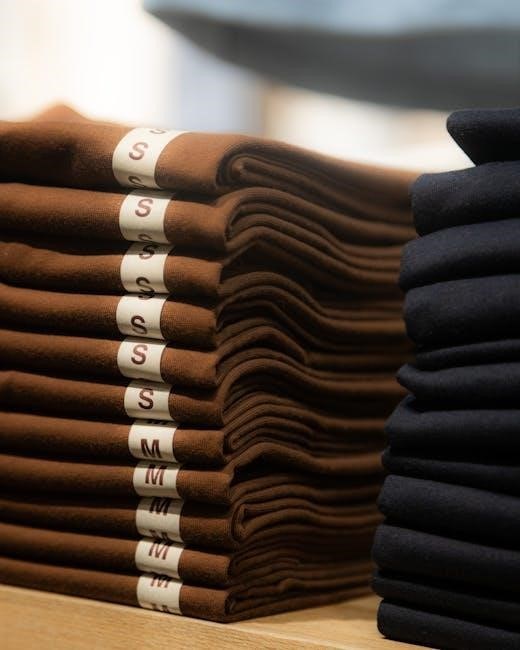
Specific Brand Size Charts (Australia)
Australian brands like Nautica and FREDDY offer unique sizing; consulting their specific charts is vital for accurate fit, as standards vary considerably between labels.
Nautica Australia Size Guide
Finding your perfect Nautica fit starts with understanding their Australian size chart. Nautica provides a standard sizing guide to assist with online shopping, ensuring a comfortable and stylish experience. Their charts typically cover chest, waist, and sleeve measurements for shirts.
It’s crucial to accurately measure yourself before referencing the chart. Pay close attention to whether the chart uses inches or centimeters. Nautica’s sizing aims for a classic fit, but variations exist between styles – slim fit versus regular.
Always double-check the specific product description, as some items may run slightly smaller or larger. If you’re between sizes, Nautica often recommends sizing up for a more relaxed feel. Utilizing their guide minimizes returns and maximizes satisfaction with your purchase.
FREDDY Australia Men’s Shirt Size Chart
FREDDY Australia’s men’s shirt size chart focuses on a relaxed fit, prioritizing freedom of movement. Their sizing is based on chest and waist measurements in centimeters. The chart typically outlines Australian sizes (XS, S, M, L, etc.) corresponding to specific chest (88-94cm for XS, increasing incrementally) and waist (72-76cm for XS, also increasing) ranges.
It’s important to note that FREDDY designs its shirts to be comfortably loose, so selecting a size that closely matches your measurements might result in a slightly roomier fit.
Consider your preferred style – if you prefer a more tailored look, you might consider sizing down. Always refer to the specific product details, as variations can occur. Accurate self-measurement is key to finding your ideal FREDDY shirt size.
Classic Shirt Size Charts (Long Sleeve & Dress Shirts)
Classic long sleeve and dress shirts utilize a sizing system based on neck and sleeve length, alongside chest measurements. Australian sizing typically begins at XS (neck 38.7cm, sleeve 104.1cm) and progresses through S (neck 40cm, sleeve 109.2cm), M (neck 41.3cm, sleeve 116.8cm), L (neck 43.8cm, sleeve 124.5cm), and beyond.
These charts are crucial for achieving a polished appearance, as a proper fit is paramount for dress shirts. Neck size dictates collar comfort, while sleeve length ensures the cuff hits at the wrist bone.
Chest measurements confirm body fit. Always measure accurately and consult the specific brand’s chart, as variations exist. Prioritize a comfortable yet tailored silhouette.
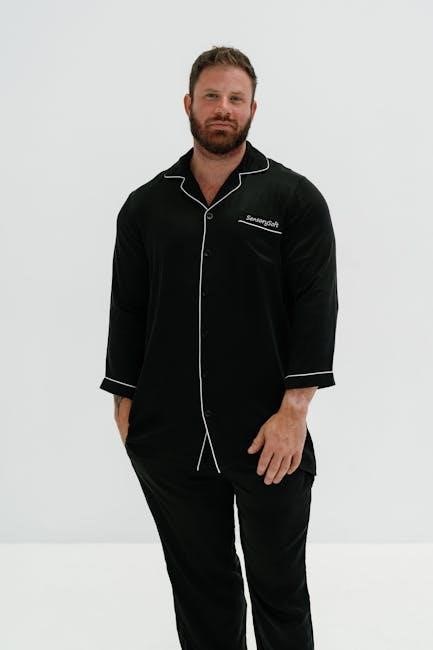
Understanding Shirt Fit
Australian men’s shirts come in various fits – slim, regular, and relaxed – each offering a distinct silhouette and level of comfort.
Choosing the right fit enhances style.
Slim Fit Shirts
Slim fit shirts are tailored close to the body, creating a modern and streamlined appearance. These shirts generally follow the body’s natural shape, offering a more fitted silhouette through the chest, waist, and sleeves. They are ideal for men who prefer a contemporary look and want to showcase their physique.
However, it’s crucial to ensure a slim fit isn’t too tight, restricting movement or causing discomfort. A well-fitted slim shirt should allow for a full range of motion without feeling constricting. Consider the fabric; a little stretch can enhance comfort in a slim fit. These shirts often work best with a trimmer build and are popular for both casual and more formal occasions when paired with appropriate trousers or jeans.
Regular Fit Shirts
Regular fit shirts represent a classic and versatile style, offering a comfortable and balanced silhouette. These shirts provide ample room through the chest, waist, and sleeves, without being overly loose or restrictive. They are designed to drape naturally over the body, making them a suitable choice for most body types.
This fit is a popular option for everyday wear, providing both comfort and a presentable appearance. Regular fit shirts are often favoured for business-casual settings or relaxed weekend outings. They allow for layering without feeling bulky and offer a timeless aesthetic. When selecting a regular fit shirt, ensure the shoulder seams align with your natural shoulders for optimal comfort and a polished look.
Relaxed Fit Shirts
Relaxed fit shirts prioritize comfort and ease of movement, offering a looser, more generous cut than regular or slim fit options. Designed to provide maximum breathability and a casual aesthetic, these shirts feature a roomy silhouette throughout the chest, waist, and sleeves. They are ideal for warmer climates or individuals who prefer a less structured look.
This style allows for complete freedom of movement, making it perfect for everyday wear or casual occasions. Relaxed fit shirts often have a slightly dropped shoulder and a more generous length, contributing to their laid-back vibe. They’re designed to be worn untucked, offering a comfortable and effortless style.
Measuring for a Perfect Fit
Accurate measurements of your chest, neck, and sleeve length are crucial for selecting the right shirt size, ensuring a comfortable and flattering fit.
How to Accurately Measure Your Chest
To get an accurate chest measurement, stand naturally and have a friend assist you. Breathe normally – don’t suck in your stomach or puff out your chest. Wrap a flexible measuring tape around the fullest part of your chest, keeping it level and under your armpits.
Ensure the tape is snug but not tight, allowing for comfortable movement. Read the measurement where the tape overlaps. This measurement is a key factor in determining your shirt size, particularly for brands like FREDDY Australia, where chest size (in cm) corresponds to specific sizes (e.g., 88-94cm for XS).
Remember to round up to the nearest inch or centimeter if your measurement falls between sizes. A well-fitted shirt should allow for comfortable movement without being overly tight or loose.
How to Accurately Measure Your Neck
Measuring your neck accurately is crucial for a comfortable shirt fit, especially for classic and dress shirts. Stand upright and relax your shoulders. Use a flexible measuring tape to wrap around the base of your neck, where the collar would naturally sit.
Keep the tape measure level and snug, but not constricting – you should be able to comfortably slide a finger between the tape and your neck. Note the measurement in inches or centimeters.
This measurement is often the primary determinant of shirt size. Refer to brand-specific size charts, like those from Nautica Australia, to correlate your neck measurement with their corresponding shirt sizes. A properly fitted collar shouldn’t feel too tight or loose.
How to Accurately Measure Your Sleeve Length
Determining accurate sleeve length ensures a polished look and comfortable range of motion. Begin by slightly bending your elbow. Have a friend assist, or stand in front of a mirror.
Measure from the center back of your neck (where the collar meets your spine), over your shoulder, and down the outside of your arm to your wrist bone.
Keep your arm relaxed and the measuring tape straight. Note the measurement in inches or centimeters. Sleeve length is particularly important for long-sleeve shirts and dress shirts.
Consult brand size charts – like those for FREDDY Australia – to find the corresponding size based on your measurement. A correctly sized sleeve should end approximately at your wrist bone.

Common Shirt Size Issues & Solutions
Addressing fit problems – too tight, too loose, or incorrect sleeves – is crucial. Alterations or exchanging for a better size often resolves these common issues quickly.
Shirts Too Tight
Experiencing a shirt that feels restrictive across the chest, shoulders, or waist indicates it’s likely too small. This discomfort isn’t just about appearance; it limits movement and can be genuinely unpleasant. When buttoning, significant strain or gaping between buttons is a clear sign.
Solutions include exchanging the shirt for a larger size – consulting the brand’s specific size chart is vital here. If alterations are preferred, a tailor can sometimes let out seams, but this depends on the amount of excess fabric available. Consider a different fit style; a ‘relaxed fit’ might be more comfortable than a ‘slim fit’ if you consistently find shirts too tight. Remember to accurately re-measure your chest and neck before purchasing a replacement.
Shirts Too Loose
Finding a shirt that hangs excessively or appears shapeless suggests it’s too large. This can look untidy and detract from your overall appearance. Key indicators include excessive fabric bunching, particularly around the waist, and sleeves that extend well past your wrist bone. A collar that gaps significantly when buttoned also points to a poor fit.
Remedies involve either exchanging the shirt for a smaller size or considering alterations. A tailor can expertly take in the sides and sleeves to achieve a more tailored silhouette. If the shirt is significantly oversized, it might be better to avoid alterations and opt for a correctly sized garment. Always prioritize accurate measurements to prevent purchasing shirts that are too loose in the first place.
Sleeves Too Long or Short
Incorrect sleeve length significantly impacts a shirt’s overall appearance. Sleeves ending well above the wrist appear too short, creating a disproportionate look. Conversely, sleeves extending past the hand, covering a significant portion of the palm, are excessively long and appear sloppy.
Ideally, shirt sleeves should end at the wrist bone, allowing approximately half an inch of shirt cuff to extend beyond the jacket sleeve when wearing a suit. If sleeves are slightly long, a tailor can easily shorten them. Sleeves that are too short are more challenging to alter effectively. Accurate measurement from the shoulder to the wrist is crucial when purchasing shirts, ensuring a proportionate and polished aesthetic.
Australian Men’s Shirt Size Chart (General)
This chart provides a general overview of Australian men’s shirt sizes, encompassing common chest and waist measurements for various sizes—XS to XL.
XS Size Details
For the Extra Small (XS) size in Australian men’s shirts, understanding the specific measurements is crucial for achieving a comfortable and flattering fit. Generally, an XS shirt caters to a chest circumference ranging from approximately 88 to 94 centimeters (34;6 to 37 inches), as indicated by FREDDY Australia’s size chart.
Waist measurements for an XS typically fall between 72 to 76 centimeters (28.3 to 30 inches). It’s important to note that these are approximate guidelines, and variations can occur between brands. Classic shirt sizing often correlates XS to a 38.7-inch chest and a sleeve length around 32 inches. Always consult the specific brand’s size chart, like Nautica Australia, for the most accurate information, as fits can vary from slim to relaxed.
S Size Details
The Small (S) size in Australian men’s shirts generally accommodates a chest measurement between 92 to 98 centimeters (36.2 to 38.6 inches), according to FREDDY Australia’s sizing information. Correspondingly, the waist measurement for a size S typically ranges from 76 to 80 centimeters (30 to 31.5 inches).
Classic shirt charts often align S with a 40-inch chest and a sleeve length around 33-34 inches. However, it’s vital to remember that sizing can differ significantly between brands. Always prioritize checking the specific brand’s size guide, such as Nautica Australia, to ensure the best fit. Variations in shirt cut – slim, regular, or relaxed – will also influence how a size S feels and looks.
M Size Details
For Australian men, a Medium (M) shirt typically fits a chest circumference of 92-98cm (36.2-38.6 inches) as per FREDDY Australia’s chart, though variations exist. Waist measurements for a size M generally fall between 76-80cm (30-31.5 inches). Classic shirt sizing often places M at a 41.3-inch chest with approximately 34-35 inch sleeves.
However, brand-specific guides, like those from Nautica Australia, are crucial for accurate sizing. A ‘slim fit’ M will feel snugger than a ‘relaxed fit’ M. Remember that US sizing conversions can also impact the fit; always double-check the brand’s conversion chart. Prioritizing accurate measurements and consulting the specific brand’s guide ensures optimal comfort and style.
L Size Details
Generally, an Australian Large (L) shirt accommodates a chest measurement around 43.8 inches, aligning with classic shirt size charts, and sleeve lengths of approximately 35-36 inches. FREDDY Australia places the L size within a 98-104cm (38.6-41) chest and a 80-84cm (31.5-33) waist range. However, remember that sizing varies significantly between brands.
Nautica Australia, for example, may have slightly different dimensions for their L shirts. A ‘regular fit’ L will offer more room than a ‘slim fit’ L. When converting from US sizes, an L typically corresponds to a 42-44 inch chest. Always prioritize checking the specific brand’s size guide to ensure the best possible fit and avoid disappointment.
XL Size Details
Australian Extra Large (XL) shirts generally fit chest measurements around 46-48 inches, with sleeve lengths typically ranging from 36-37 inches. FREDDY Australia’s XL size caters to a 104-110cm (41-43.3) chest and an 84-88cm (33-34.6) waist. However, brand-specific variations are crucial to consider.
Classic shirt charts indicate an XL often equates to a US size of 46-48. When selecting an XL, consider the shirt’s intended fit – slim, regular, or relaxed. A slim-fit XL will be more tailored, while a relaxed fit offers greater comfort and movement. Always consult the individual brand’s size guide, like Nautica Australia’s, for precise measurements and a guaranteed optimal fit.